How on-demand 3D printing fits into your ESPR compliance plan
On 19 July 2026 an EU-wide ban on the destruction of unsold clothing and footwear for large enterprises came into force as part of ESPR, with medium-sized businesses next in line, expected to fall under the scope of this ban in July 2030. But what if businesses didn't destroy unsold stock, because there would be nothing to destroy?
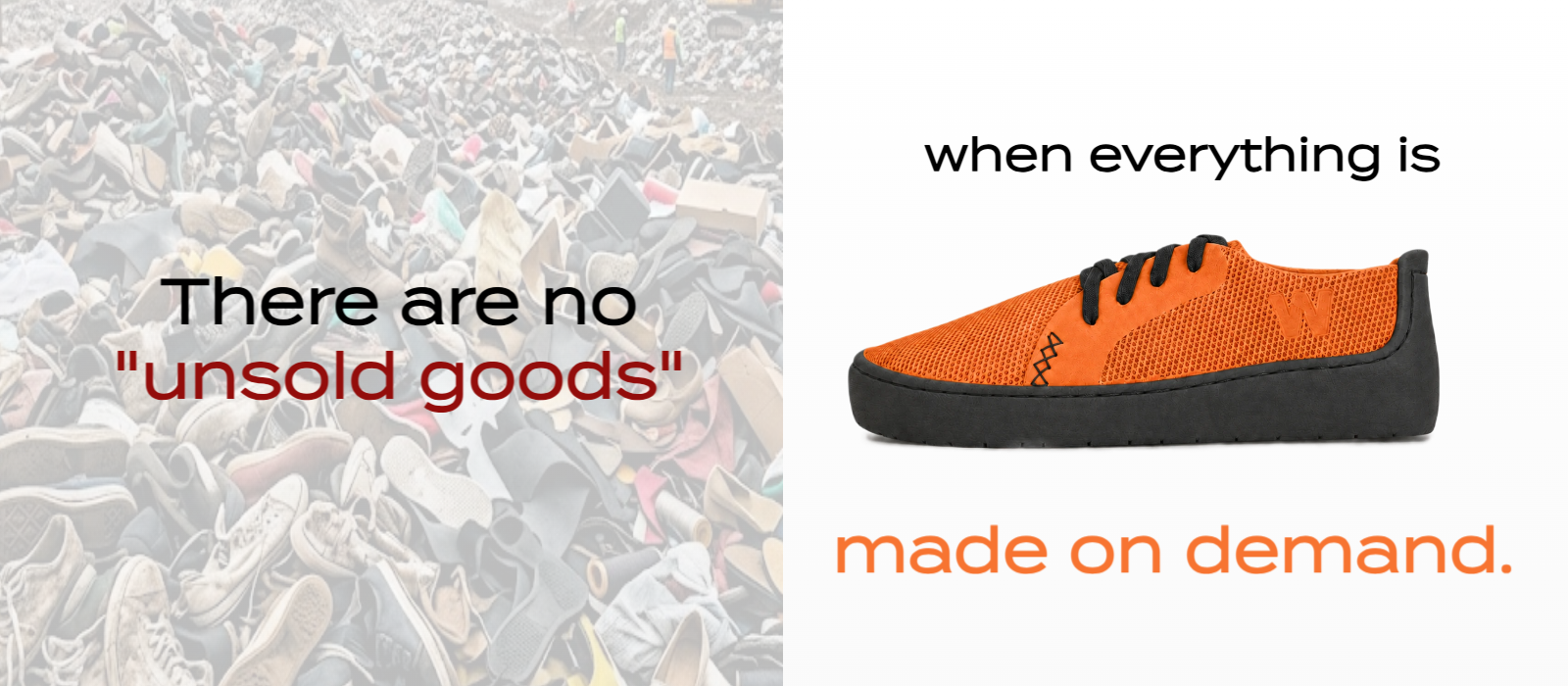
The Ecodesign for Sustainable Products Regulation (ESPR) is a European Union framework regulation – published as Regulation (EU) 2024/1781 – that sets the rules for making products sold in the EU more durable, repairable, recyclable and transparent.
Under ESPR starting from 19 July 2026, large enterprises are prohibited from destroying unsold clothing, clothing accessories and footwear - they must prioritise keeping products in use by selling them, donating them to charities or social enterprises, or preparing them for reuse (repairing, refurbishing or remanufacturing). They're also required to publicly report the quantity of unsold consumer products they discard each financial year, starting as soon as February 2027 - just over 6 months from now.
It's up to each enterprise to decide how they deal with it. But we've got one hint for you: there's nothing to destroy when you don't hold stock.
On-demand production today is the perfect solution to this problem: nothing is created before it's sold to the end consumer, thus nothing has to be destroyed - there are simply no "unsold goods."
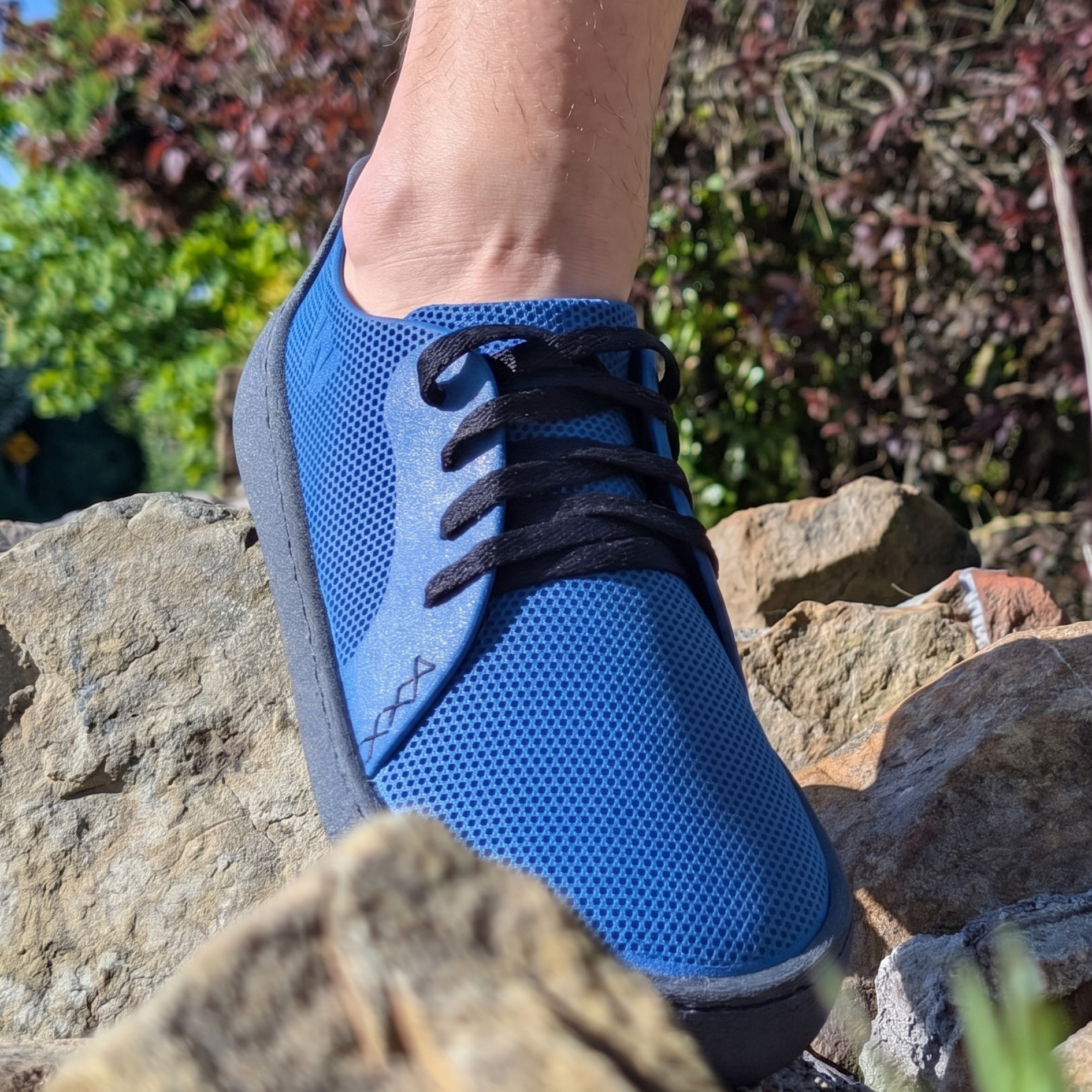
Let's take METIS, or any shoe design you can think of as an example of 3D-printed footwear made right here in the EU. At WAZP, we only make it when someone buys it, and it's sent straight to the end consumer instead of a warehouse first. That eliminates the need for inventory and cuts the carbon footprint of the whole journey. And even if you are looking for stock, there are no MOQs: you can stock one or two pairs of each size and colour, and order as few as one after you've sold it. Either way, everyone benefits.
Another important point is that our products only exist as digital files before someone actually buys them. This means we can track exactly which product went where, and that kind of structured product data is exactly what ESPR's next requirement, the Digital Product Passport, is built around.
Next in line of the regulations we've got the Digital Product Passports (DPPs) — every product sold in the EU will eventually carry a digital record of what it's made from, where it came from and how it should be handled at end of life. For textiles the delegated act is expected in 2027, with actual compliance likely from 2028. Footwear is being assessed separately, with the Commission's conclusions due by the end of 2027, so the exact rules for a product like METIS haven't been written yet.
But here's the thing: we don't need a delegated act to be ready for this. Because METIS starts life as a digital file, every product we make is already traceable back to its exact specification, material, size and colour, and to the customer it went to. Building that kind of transparency retroactively is one of the hardest parts of DPP compliance for brands that produce thousands of units in advance and lose track of which batch went where. We already have it, incorporated in the design.
Then there's Extended Producer Responsibility. Under the revised Waste Framework Directive, which entered into force in October 2025, EU member states now have to set up EPR schemes for textiles and footwear, with national systems expected to be operational by around 2028. Producers will pay a fee for every product placed on the market, and that fee gets adjusted based on how durable, repairable and recyclable the product actually is.
METIS is modular from the outset, so a worn sole or a scuffed upper doesn't mean replacing the whole shoe, just the part that failed.
Each part is also mono-material, aside from the laces and thread, so breaking it back down for recycling doesn't mean untangling bonded layers of mixed materials first.
Footwear adhesives are one of the biggest hurdles in traditional shoe recycling, so we only use our EasyStitch technology to sew the parts together.
That's not something we added for compliance. It's how the product was designed from day one.
Right now, most of these only apply to large enterprises. For smaller brands, it's tempting to file this under "someone else's problem."
The enterprises this does apply to are the ones asking the questions right now: how do we prove where every discarded shoe went, how do we cut a fee that's tied to durability we didn't design for, how do we retrofit traceability into a supply chain that was never built to track it. Those are hard problems to solve after the fact.
But METIS isn't a retrofit. It's what a shoe looks like when you start from these questions instead of ending up at them. No stock means nothing to destroy. A digital-first product means traceability by default. Modular, mono-material parts and no adhesives mean circularity as a design outcome, not a spreadsheet exercise.
If you're a large enterprise working out how to meet these rules without gutting your product line, or a smaller brand who'd rather build this in now than retrofit it later, that's a conversation we're ready to have. Whether that means adapting METIS to your brand or building something new from the ground up - get in touch.
This article is for general information and reflects our understanding of EU regulations as of 27 July 2026. It's not legal advice, and ESPR, DPP and EPR requirements are still being finalised in several areas.
Sources and useful information
European Commission: Ban on destruction of unsold clothes and shoes enters into application
EU Circular Economy platform: New EU rules to stop the destruction of unsold clothes and shoes
Official Journal of the EU: Regulation (EU) 2024/1781 establishing ecodesign requirements for sustainable products
European Commission Ecodesign for Sustainable Products and Energy Labelling Working Plan 2025-2030
European Commission: Revised Waste Framework Directive enters into force